
The Future of Real Estate Is Green: Embracing Sustainable Development for Community Success
- Roi Ford

- Jun 24, 2025
- 3 min read
In recent years, sustainable real estate development has gone from a niche interest to a crucial necessity. With rising concerns about climate change and resource depletion, the real estate industry must adopt eco-friendly practices. This shift not only enhances community well-being but also helps protect our shared environment.
Sustainable real estate development focuses on creating buildings and spaces that minimize their environmental impact while fostering economic and social benefits. This approach is essential for ensuring the long-term health of our communities and ecosystems.
The Importance of Sustainable Development
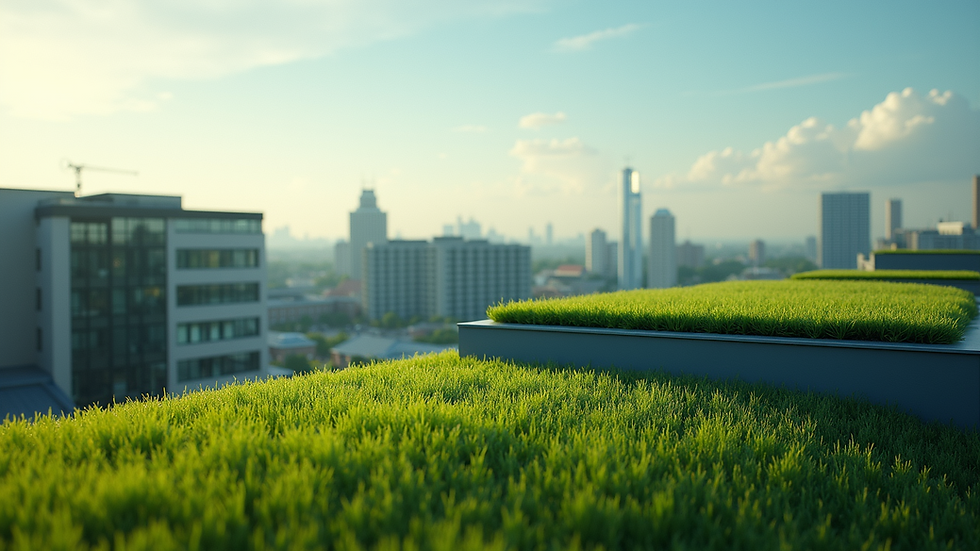
Integrating sustainability into real estate is vital today. Traditional building practices often waste resources, disrupt communities, and increase carbon emissions. Conversely, sustainable development boosts community resilience, protects the environment, and promotes economic stability.
When we prioritize sustainable practices, everyone benefits. Communities can expect better air and water quality, lower energy bills, and improved public health. Investors often see increased property values and strong demand from eco-conscious buyers. For instance, properties built with sustainable practices can command prices up to 20% higher than traditional homes.
Green Building Practices
As we explore the shift toward sustainable real estate, let’s look at effective practices that are shaping the industry:
LEED Certification
LEED (Leadership in Energy and Environmental Design) certification is a well-known standard for eco-friendly design and construction. Developers seeking LEED certification engage in energy-efficient practices, leading to lower operating costs. For example, buildings achieving LEED standards can save 30-50% on energy costs.
Energy-Efficient Materials
Using energy-efficient materials is a cornerstone of sustainable real estate. Selecting the right insulation, windows, and HVAC systems can cut energy consumption significantly. For instance, high-performance windows can reduce heating costs by up to 30%.
Water Conservation
Implementing water conservation methods like rainwater harvesting and low-flow fixtures helps reduce water usage without sacrificing quality. These strategies can lead to savings of 20-50% on water bills, benefiting property owners and protecting vital water resources.
Solar Integration
Incorporating solar technology in new developments provides a renewable energy source. Properties with solar panels can see a reduction in energy bills of 50-70%. Moreover, many of these installations qualify for tax incentives, making them financially attractive.
Walkable Design
Creating neighborhoods where residents can walk to amenities fosters community interaction and decreases reliance on cars. This shift not only enhances local economies but can also cut carbon emissions by up to 20% in urban areas.
Innovative Approaches to Sustainable Development
In addition to established practices, innovative strategies for sustainable development are gaining traction:
Adaptive Reuse
Adaptive reuse entails transforming existing structures for new purposes. This approach minimizes the need for new construction and helps preserve community heritage. For example, converting historic factories into residential lofts revitalizes neighborhoods while maintaining their history.
Low-Impact Construction
Low-impact construction employs sustainable materials and energy-efficient systems to build with a smaller ecological footprint. This strategy balances environmental responsibility with high-quality designs.
Smart City Planning
Smart city planning integrates technology to improve urban life, enhance efficiency, and encourage sustainability. Cities that use technology for resource management can reduce energy consumption by up to 30%, benefiting the environment and residents.
Success Story: The Green Oasis Project
To demonstrate the effectiveness of sustainable development, let's look at the Green Oasis Project. This initiative transformed a neglected industrial site into a vibrant mixed-use community with homes, shops, and green spaces.
Key features of the Green Oasis Project included:
Achieving LEED certification standards that provided significant energy savings.
Incorporating solar panels to reach net-zero energy consumption.
Designing walkable areas that foster community engagement while reducing car traffic.

The outcomes were impressive. Utility costs for residents dropped by as much as 40%, and property values in the surrounding area increased by 20%. Most importantly, the Green Oasis Project reinvigorated the community, offering a thriving sustainable lifestyle.
Looking Ahead
Sustainable real estate development is more than just a trend; it represents a major shift in our approach to the environment. By adopting eco-friendly practices, the real estate industry can help build a brighter future that prioritizes community well-being, environmental protection, and economic stability.
As awareness of sustainability grows, so will the demand for green real estate. Whether you are a seasoned investor or a new homeowner, embracing sustainable development practices is a smart path toward success.
Join us in exploring sustainable real estate and find ways to support eco-friendly projects in your community. Together, let’s create a greener and healthier future.


Comments