
Exploring the Varied Landscape of Shopping Malls and Plazas in Real Estate Development

In the ever-evolving world of retail, shopping malls and plazas have become dynamic centers for commerce and social interaction. Recognizing the diversity within this landscape is crucial for understanding consumer behavior and real estate development. This blog post delves into the different types of shopping malls and plazas, highlighting their unique characteristics and roles in the retail ecosystem.
Types of Shopping Malls
Shopping malls can generally be categorized into several types, each serving distinct purposes and markets.
Regional Malls
Regional malls typically feature a broad array of retail establishments, including large department stores and a variety of specialty shops. These malls usually cover over 400,000 square feet and cater to a diverse demographic, attracting shoppers from a larger radius.
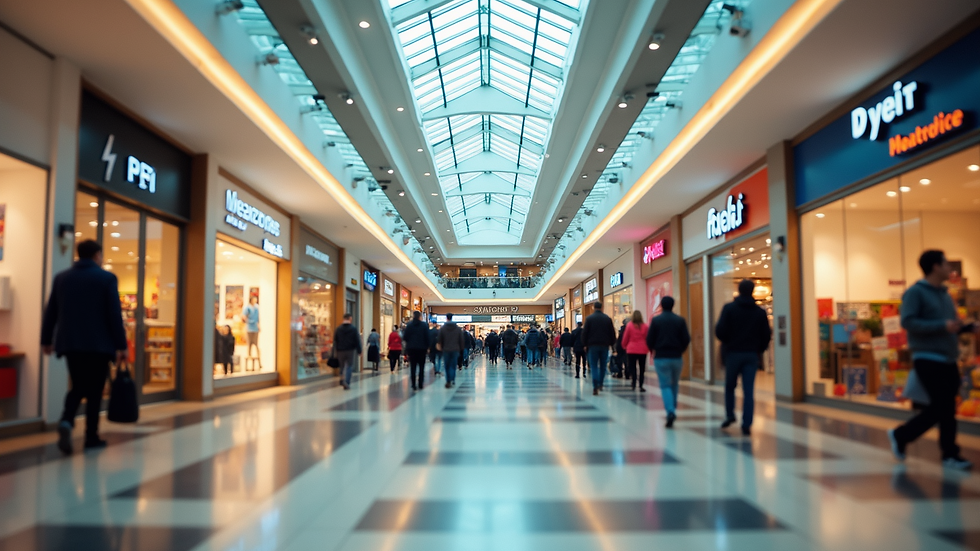
These malls are designed for an immersive shopping experience, often including entertainment options such as cinemas, food courts, and leisure activities. They serve as community hubs where people can shop, dine, and socialize.
Superregional Malls
Superregional malls take the concept of regional malls to the next level. With more than 800,000 square feet of retail space, these expansive centers often house multiple major department stores and hundreds of specialty shops.
Superregional malls are not only about shopping; they are designed as complete entertainment destinations. Many feature attractions like amusement parks, ice skating rinks, or large-scale art installations to enhance the shopping experience. The wide selection of options tends to draw visitors from a much larger geographic area.
Lifestyle Centers
Lifestyle centers represent a shift from traditional enclosed mall formats to open-air shopping environments. These plazas focus on providing a lifestyle-oriented experience, often integrating residential components and outdoor recreational areas.
Typically featuring upscale retailers and dining options, lifestyle centers are designed to create an inviting atmosphere for social interaction. This encourages people to linger, making them ideal for community events and gatherings.
Outlet Malls
Outlet malls specialize in selling discounted merchandise directly from manufacturers or retailers. These malls attract budget-conscious shoppers looking for brand-name products at reduced prices.
Located often at the outskirts of urban areas, outlet malls boast a unique design with large outdoor spaces, making them accessible for shoppers seeking bargains. The appeal lies in the variety of brands, with many outlets leveraging the status of being factory direct.
Neighborhood Centers
Neighborhood centers are smaller retail setups, often anchored by a grocery store or pharmacy. These centers cater to the everyday shopping needs of local residents and usually range from 30,000 to 150,000 square feet.
The focus is on convenience, offering essential services and products within a short distance from residential areas. They foster community engagement by serving as a venue for local events and meetups.
Key Differences Among Malls and Plazas
Understanding the differences among these centers is essential for developers and investors. Location, size, tenant mix, and consumer demographics play critical roles in shaping a mall or plaza's design and operations.
Size and Scale: Regional and superregional malls are large and require significant investment. Conversely, neighborhood centers are smaller and require less financial commitment.
Tenant Strategy: While regional and superregional malls aim for a wide mix of national and international brands, lifestyle centers focus on exclusive or high-end retailers. Outlet malls serve a unique market of discount seekers, emphasizing value over variety.
Community Orientation: Neighborhood centers and lifestyle centers prioritize community and social interaction, while larger malls tend to focus on attracting diverse shoppers from various regions.
The Real Estate Development Process
Developing a shopping mall or plaza involves several critical phases, from concept to completion.
Conceptualization
The process begins with extensive market research to understand consumer preferences and competition. Developers must analyze demographic data, location potential, and existing retail trends to make informed decisions.
Financing and Investment
Securing financing is a crucial step in the development process. This involves attracting investors and banks to fund the project. A solid business plan is essential to showcase the anticipated return on investment.
Site Selection
Choosing the right location is fundamental. Factors such as visibility, accessibility, surrounding infrastructure, and zoning regulations all impact the viability of a development project.
Design and Planning
Next, architects and planners create the design for the shopping mall or plaza. This phase includes layout planning, determining anchor tenants, and making decisions on amenities.
Construction
Once designs are approved and permits secured, construction begins. This phase demands careful coordination between contractors, suppliers, and local authorities to ensure timely completion.
Leasing and Marketing
Post-construction, the focus shifts to leasing space to retailers and planning marketing initiatives to promote the new shopping center. Attracting the right mix of tenants is crucial for a successful operation.
Operations Management
Finally, the mall or plaza enters the operational phase. Effective management is vital for maintaining the property, ensuring customer satisfaction, and adapting to market changes over time.
Conclusion
The landscape of shopping malls and plazas is rich and varied, with numerous types serving distinct demographics and purposes. Real estate development plays an essential role in shaping these environments, adapting to consumer needs and market trends.
Understanding these dynamics not only helps retailers optimize their approach but also enables developers to create vibrant communities where shopping and social interaction thrive. As consumer habits continue to evolve, so too will the shopping experiences offered in malls and plazas, paving the way for innovative designs and engaging atmospheres.




Comments